Pumping, inspection, repair, and full installation across Spring Hill and both counties it straddles. Written pricing before the work starts.
Call (555) 555-5555Or call — we answer. No obligation, honest advice.
The tricky thing about septic in Spring Hill is how much the ground changes from one lot to the next. Middle Tennessee soil here is a patchwork - a pocket of decent loam on one property, tight clay next door, and limestone shelving close to the surface a little further down the road. Two houses on the same street can need two different septic systems at two different prices, which is why no honest quote comes before someone actually looks at your soil.
Spring Hill has grown about as fast as any town in the state, and the growth ran straight past the septic industry's ability to keep up. The master-planned subdivisions closer to Main Street mostly run on sewer. The acreage - out toward Thompson's Station's horse farms, along Kedron Road, and down the Highway 31 and 431 corridors - runs on septic, and a lot of those tanks now belong to families who moved here for land and inherited a system nobody walked them through at closing.
There is no trick to it. Find the system, open it up, take pictures of the real condition, and put the price in writing before a shovel moves. Diagnose, quote, then work. A fair number of visits finish with us saying the tank is in good shape and to call back in a couple of years.
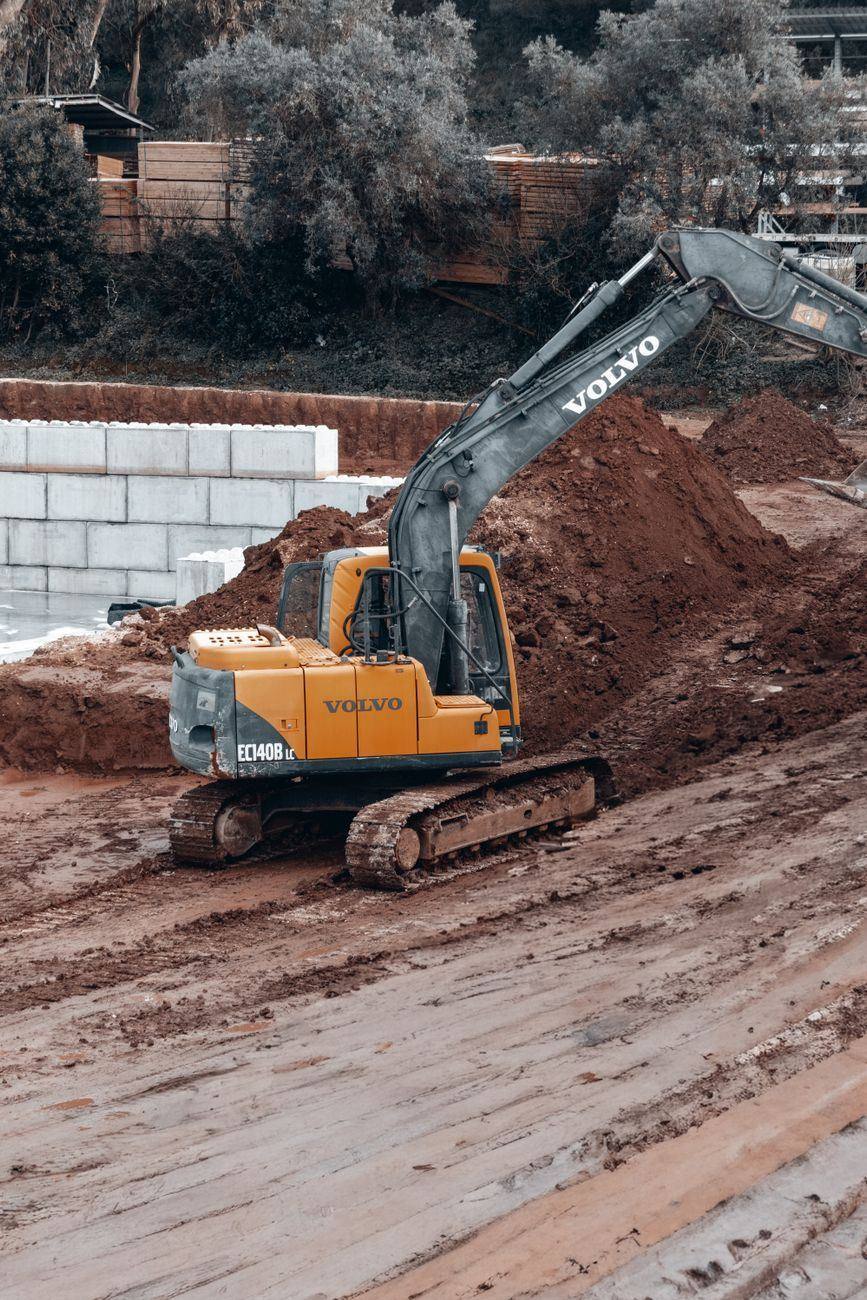
Most septic work is excavation, and on Spring Hill's mixed ground what the crew hits below the grass is not always what the last lot had - loam, clay, or rock shelf. Locating a tank, opening a lid, exposing a line, or setting a new field all start with breaking ground, and how that gets done decides what your yard looks like afterward.
Lids get seated properly, ground gets raked back, and no ruts get cut across the yard. The only evidence we were there should be a system that works the way it is supposed to.
Four services cover almost everything a residential system around here needs, whether you are on the Maury side or the Williamson side of town.
Complete pump-outs on a three-to-five-year cycle. We uncover the lids, pump fully - sludge and scum, not just liquid - inspect the baffles, and hand you a written condition report every time.
Closing-ready reports for buyers and sellers. Tank and sludge levels, baffle and tee integrity, pump and alarm operation, and drain field surface, photographed and clear enough to negotiate with.
New builds and replacements, plus repairs to baffles, pumps, lines and fields. Soil evaluation and permitting through the correct county - Maury or Williamson - handled end to end.
What enters a tank divides into three layers. Grease and light material float to the surface as a scum mat, heavier solids drop to the bottom as sludge, and the comparatively clear liquid trapped between them is all that should ever reach the drain field. When sludge builds past what the tank can hold, solids carry out into the trenches - and a field plugged with solids is beyond saving.
Spring Hill's patchwork soil is the local wrinkle. Where the ground is loam, a conventional gravity field drains well and costs less. Where it is tight clay or shelving limestone, that same lot may need a pump system or an engineered alternative design, because the water has nowhere easy to go. That is why a soil evaluation is not a formality here - it is the difference between the right system and an expensive guess.
Scheduling comes from the same logic. Two people on a correctly sized tank may go five years; a busy household of five should book at three. Because the soil changes lot to lot here, the honest interval comes from the sludge depth we measure at your address rather than from an average.

Almost no septic system fails overnight. The emergency call is usually years of deferred pumping catching up in a single week. A tank works by holding solids and passing clear liquid; once the solids exceed its capacity, they go where the liquid goes, and no product sold for the purpose brings the field back.
That yields the one principle worth keeping: pumping is inexpensive, drain fields are not. Every dollar that keeps solids in the tank is a dollar defending the part you cannot easily rebuild - and on Spring Hill's tighter clay and rock-shelf lots, replacement ground is not always available where you would want it.
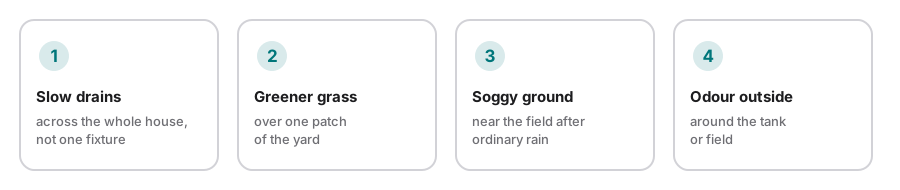
The signals come well ahead of the failure. Slow or gurgling drains throughout the house rather than at one fixture. A band of grass growing faster and greener than its surroundings. Soft ground over the field after normal rainfall. A smell outdoors around the tank or trenches. Each is worth a look, and a look costs far less than the alternative.
A few everyday habits take years off a system. Wipes, which flush without difficulty and then never decompose. Bleach and drain chemicals in volume, which wipe out the bacteria the tank depends on. Traffic across the field, which compacts soil and crushes lines. And gutters or drains pointed at the trenches, adding clean water the field was never built to process.
None of these mean disaster on their own. All of them are cheaper to look at than to ignore.
Every job runs the same way, whether it is a routine pump-out or a full installation. Here is the standard you can hold us to.
You get the number before work starts, not after. If we open the lid and find something else going on, we stop, show you, and quote it separately. No surprise line items at the end.
You get a real window and a text or call when the crew is on the way. In a market this busy, a returned call and a kept window are half the service.
Lids seated, ground raked back, gates closed behind us. The only evidence we were there should be a system that works the way it is supposed to.
Septic quietly kills more deals than most buyers expect, and in a market this fast it is also one of the most frequently skipped inspections. A standard home inspection excludes the system, so a buyer relocating from a sewer-served city can close on acreage with a failing field and find out during the first hard rain.
Get it scheduled early in the option period so there is still room to negotiate. The scope is what counts: locating and opening the tank, measuring sludge and scum, confirming baffles and tees, running water to test flow, and probing the trenches for saturation. An inspection that avoids the field has looked at the inexpensive half and ignored the rest.
For sellers the timing argument is simple: do it before listing and the system stops being a bargaining chip. A recent pump-out plus a clean report is documentation rather than assurance. Mention a fixed closing date when you call, because deadlines change how we schedule.
Spring Hill is the base, and the service area covers the septic ground the town stretches across - the subdivisions off Main Street, out toward Thompson's Station's horse farms, along the acreage on Kedron Road, and down the Highway 31 and 431 corridors on both sides of the Maury-Williamson line. The developments keep pushing outward, but past the reach of the sewer lines this is still septic country.
Travel to the far edges is included in the quote and mentioned on the phone, never added to the invoice afterward. If your address falls just outside the list below, call and ask.

The county line is not a technicality here. Spring Hill sits across the Maury-Williamson line, and the two counties run their septic permitting through separate offices with separate steps, so a system on the wrong paperwork does not pass. Because the service area sits on both sides of that line, we work both offices and know which one an address falls under before the truck leaves.
For a homeowner that mostly means one less thing to worry about. You do not need to know which county your acreage sits in, whether your closing needs a Maury form or a Williamson one, or how the two offices differ. You call, we sort out the jurisdiction, and the permitting gets handled by people who do it in both counties routinely rather than once in a while.
Nobody should learn septic pricing during an emergency, so here is the calm-day version: pumping is the routine cost, repairs track components from cheap floats and baffles up to serious field work, and installation follows the soil - which in Spring Hill can swing from a simple gravity field to an engineered system two lots apart. Whatever you need, call (555) 555-5555 and we will tell you what your system actually needs, including when the honest answer is nothing yet.
Save the number before you need it. Septic problems only get more expensive the longer they wait.
Tell us what you need and we'll get back to you with a real answer. If it's an active backup or standing water over the field, calling gets you a faster response.
Call: (555) 555-5555
Area: Spring Hill, TN and Maury and Williamson County